
The naira traded largely unchanged against the U.S. dollar in the official foreign exchange market following JPMorgan’s decision to include Nigerian local-currency government bonds in its newly launched Government Bond Index–Emerging Markets Edge (GBI-EM Edge). The development has been viewed as a positive signal for investor confidence and Nigeria’s financial markets.
Despite the landmark inclusion, the local currency recorded only a marginal movement against the dollar, reflecting a relatively balanced foreign exchange market. Improved dollar liquidity supported market stability, while trading activity increased significantly across key segments of the FX market.
JPMorgan assigned Nigeria a 7.4 percent weighting in the new benchmark, placing the country among the largest constituents in the index. The benchmark tracks local-currency sovereign debt across 26 frontier and emerging economies and includes approximately $17.47 billion worth of eligible Nigerian government bonds.
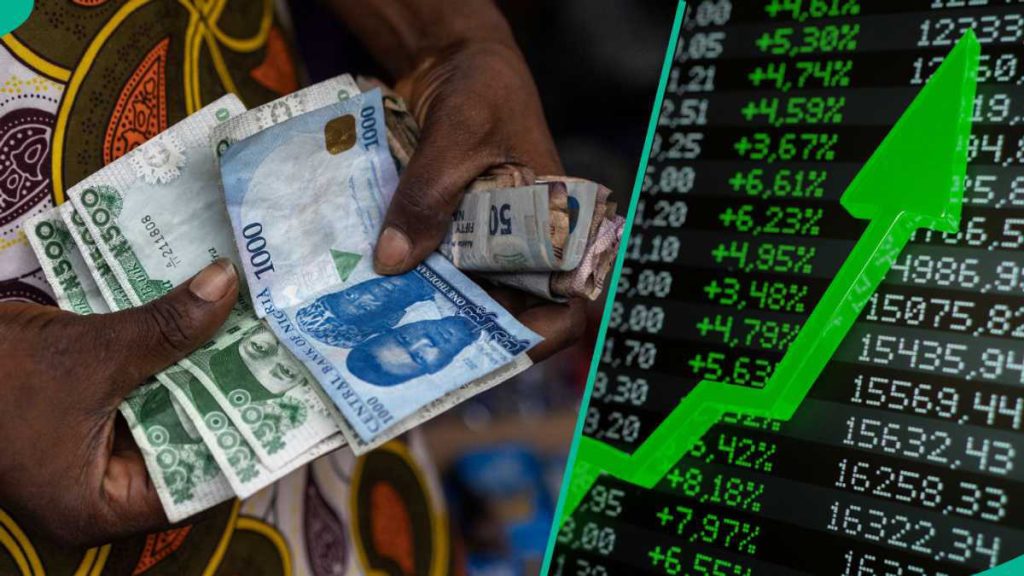
Analysts believe the inclusion could encourage greater participation from international investors, as index-tracking funds are expected to adjust their portfolios to reflect Nigeria’s weighting. The Federal Government projects that the move could attract substantial foreign capital inflows into the domestic debt market and help reduce borrowing costs over time.
The listing also marks Nigeria’s return to a JPMorgan bond benchmark more than a decade after it exited the bank’s flagship index in 2015 due to foreign exchange liquidity challenges. Market observers see the return as recognition of ongoing reforms aimed at improving liquidity, strengthening the bond market, and restoring investor confidence.
In addition to the bond index inclusion, Nigeria’s external reserves have continued to strengthen, providing additional support for currency stability and enhancing the Central Bank of Nigeria’s capacity to meet external obligations.
Read also on Radarr: Naira Hits Two-Year High Despite Rate Cut | Nigeria’s Economic Reforms Bring Stability but Household Hardship Remains
