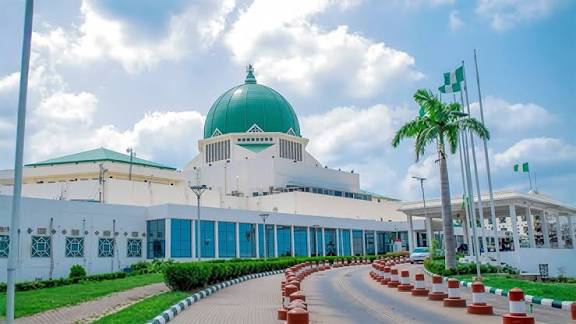
After spending 68 days away from plenary, Nigeria’s National Assembly returned to its chambers on September 29, with a long list of legislative matters awaiting attention.
However, lawmakers spent only one day in plenary before announcing another break.
The Senate and House of Representatives had suspended plenary on July 23 for their annual recess and eventually returned on September 29. Rather than continuing with regular sittings, both chambers adjourned further proceedings until October 13, creating another two-week gap in the legislative calendar.
The development has renewed concerns about the National Assembly’s stop-start approach to legislative business, particularly after lawmakers had already spent more than two months away from plenary.
The chambers were originally expected to resume on September 15, but the date was moved to September 29 after Kamoru Ogunlana, Clerk to the National Assembly, said additional time was needed to complete rehabilitation and renovation work in the legislative chambers, including repairs to the sound systems.
As a result, what began as the regular annual recess stretched into a 68-day absence from plenary. When lawmakers eventually returned, their resumption lasted just one sitting.
The situation has raised broader questions about how much time remains available for sustained legislative work and what happens to pending national issues when parliamentary activities are repeatedly interrupted.
The concern is particularly relevant in 2026, as the 10th National Assembly approaches the final part of its current legislative year with several constitutional, budgetary, electoral and oversight matters still awaiting action.
Legislative matters considered
The September 29 sitting was not without business.
In the Senate, President Bola Ahmed Tinubu forwarded several requests and bills for consideration. They included proposals relating to postgraduate medical education and research funding, as well as requests for confirmation of nominees to federal institutions.
The Senate also received a request to confirm Abdullahi Maikano Saidu as chairman of the Fiscal Responsibility Commission, alongside six other nominees for membership of the commission.
Other communications included the nomination of Sani Ndanusa as a non-career ambassador/high commissioner and a request relating to membership of the Federal Civil Service Commission.
The National Postgraduate Medical College (Amendment) Bill, 2026, and the National Research and Development Fund (Establishment) Bill, 2026, were also among the executive proposals presented to the Senate.
The Senate additionally extended the implementation period for the capital component of the 2025 Appropriation Act to December 31, 2026.
The extension marked the fourth time the deadline had been changed. It was initially moved from March 31 to June 30, then to September 30, before the latest extension pushed the deadline to the end of December.
The House of Representatives also considered fiscal matters before the lawmakers adjourned.
Rather than continuing plenary the following day, both chambers scheduled their next major sitting for October 13.
The Senate connected its resumption to a two-day National Security Summit scheduled for October 12 and 13. Senate President Godswill Akpabio said the summit would focus on strengthening Nigeria’s national security architecture and bring lawmakers together with security agencies and other stakeholders.
While the summit represents legislative activity during the period, it does not change the broader pattern: the legislature spent more than two months away from plenary, returned for one sitting and then scheduled another two-week break.
The debate over legislative recesses
Arguments surrounding National Assembly recesses have often followed a familiar pattern.
Lawmakers maintain that plenary is only one aspect of their responsibilities, pointing out that committees continue to hold hearings, investigate government agencies, examine budgets and consult stakeholders even when the chambers are not sitting.
A recess therefore does not necessarily mean lawmakers have stopped working altogether.
Committees can continue legislative activities outside plenary, while lawmakers also engage with their constituencies and carry out other parliamentary responsibilities.
The bigger concern is what repeated interruptions mean for the collective legislative process.
Section 63 of the 1999 Constitution states that each chamber of the National Assembly shall sit for a period of not less than 181 days in a year. The provision frequently becomes part of the debate whenever lawmakers take prolonged or repeated breaks.
The issue becomes more significant when the entire sitting calendar is considered rather than individual recesses.
The National Assembly had already experienced several disruptions to plenary earlier in 2026. During the first quarter, lawmakers recorded only 17 plenary sitting days following a series of adjournments and postponements.
That figure alone does not establish a constitutional violation because the 181-day requirement applies to the full legislative year.
However, it demonstrates why every additional interruption attracts public scrutiny.
The central question is no longer simply whether a particular recess has a valid reason. It is whether the cumulative legislative calendar provides enough time for Parliament to effectively carry out its constitutional responsibilities.
Constitutional reform and unfinished business
The latest break is particularly notable because the earlier extension of the annual recess was attributed to infrastructure work in the legislative chambers.
When lawmakers did not return on September 15, the National Assembly cited renovation and rehabilitation work as the reason.
After returning on September 29, however, the chambers immediately announced another two-week adjournment, with the National Security Summit among the reasons given.
This raises questions about how the legislative calendar is being managed after a lengthy absence.
A legislature has a limited number of sitting days, meaning every additional interruption reduces the available time for legislative business.
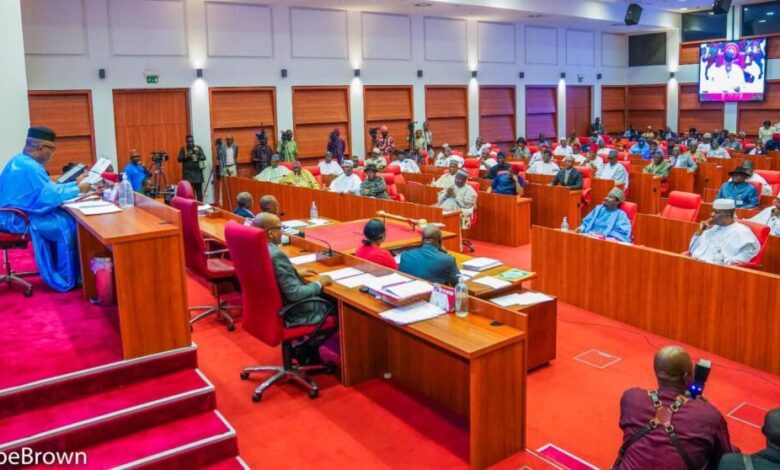
One major area still requiring attention is constitutional amendment.
The National Assembly has already passed a constitutional alteration bill relating to the establishment of state police and sent it to the 36 state Houses of Assembly for consideration.
The state police proposal forms part of a wider constitutional reform process, which requires the state assemblies to consider the proposals before the amendments can ultimately be completed.
This means constitutional reform cannot simply remain indefinitely on the legislative agenda.
The more fragmented the parliamentary calendar becomes, the greater the pressure on the remaining sitting days.
Budget oversight remains a concern
The National Assembly’s decision to extend implementation of the capital component of the 2025 budget until December 31 also highlights another issue.
Projects under an appropriation originally expected to conclude earlier in the year will now remain within the implementation period until the end of December.
The deadline has already been extended several times.
This raises a broader question about whether repeated extensions are becoming a way of managing implementation delays rather than maintaining the original fiscal timetable.
The National Assembly has constitutional authority over appropriation and oversight. Its role therefore extends beyond receiving explanations from the executive about delays in budget implementation.
Lawmakers are expected to scrutinise spending, question ministries, departments and agencies, examine projects and demand accountability.
Effective oversight, however, requires sufficient time.
Committees need time to summon agencies, review documents, examine expenditure, inspect projects and prepare reports. Plenary time is then needed for lawmakers to consider and act on committee findings.
This is why the argument that lawmakers continue working in committees cannot completely replace the importance of regular plenary sittings. Both are important parts of the legislative process.
A growing legislative workload
The National Assembly’s responsibilities go beyond passing bills.
Its workload includes petitions, confirmations, investigations, budget defence, appropriation, executive communications, motions, reports and oversight of government ministries and agencies.
Some of the most important parliamentary activities may take place within committees without receiving widespread public attention.
The legislature’s own legislative tracking system shows the size of the workload, with 1,033 bills at first reading, 453 at second reading, 424 in committee and 106 passed during the period covered by its dashboard.
The figures highlight the scale of business moving through the legislative pipeline.
However, they also raise a question about parliamentary capacity: how much time does the National Assembly have to move all these matters through the required stages?
A bill does not become law simply because it has been introduced. It must pass through readings, committee consideration, public input where necessary, report stages and final passage.
Constitutional amendments require additional procedures, making the available legislative time even more important.
Repeated interruptions can consequently push some pending matters further down the queue.
2027 elections add pressure
Another factor affecting the 2026 legislative calendar is the approach of the 2027 general elections.
As the elections draw closer, lawmakers will face increasing political demands. Some will seek re-election, while others may pursue governorships, executive positions or other political offices.
Political parties will also become more focused on primaries, campaigns and political alliances.
The National Assembly has acknowledged that preparations for the 2027 elections will take place alongside legislative responsibilities.
Akpabio has maintained that political activities should not prevent lawmakers from performing their duties, while the chambers continue to consider electoral and constitutional matters.
This makes parliamentary time increasingly valuable.
If the legislative calendar is already fragmented before election activities reach their peak, pressure on the remaining sitting days could intensify.
The bigger concern is not necessarily that lawmakers will stop working altogether.
Instead, the legislature could find itself caught in a cycle of long adjournments, rushed returns, accumulated unfinished business, pressure to meet deadlines and further interruptions.
That is ultimately a question of legislative efficiency and parliamentary scheduling, rather than simply whether individual recesses are justified.
Read also on Radarr: 2027 politics threatens to slow pending Reforms as National Assembly resumes | JUST IN: Nigeria’s National Assembly Suspends Official Visits to South Africa
