LAGOS, November 27 (Radarr Africa) – Nigeria needs about $30bn of investment by 2030 to expand its petroleum infrastructure and strengthen energy security, the Nigerian Midstream and Downstream Petroleum Regulatory Authority (NMDPRA) said on Thursday.
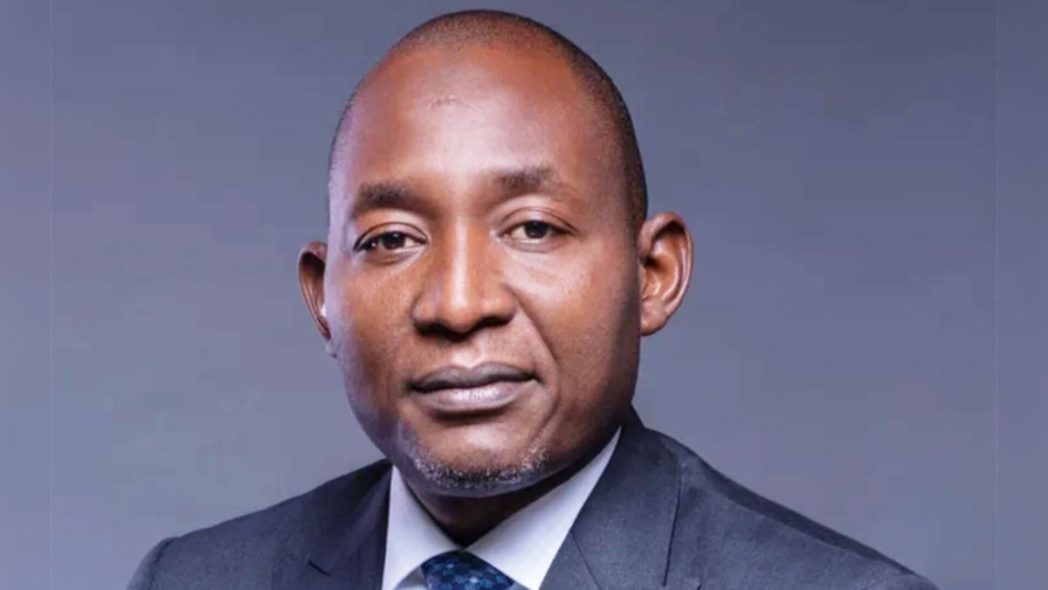
The regulator’s chief executive, Rabiu Umar, made the statement at the 2026 Business Intelligence Africa summit in Lagos, held under the theme “Securing Nigeria’s Energy Future: Balancing Energy Security, Sustainability and Economic Growth”. Victor Ojiakor, deputy director for distribution, storage systems and retailing infrastructure, represented him.
Umar named gas processing, storage, transport and distribution as the critical areas for investment. He said the NMDPRA is developing a strategic petroleum stock programme that will begin with selected depots and then expand nationwide, with a target of 30 to 45 days of stock sufficiency.
Sarah Eugene, a business research analyst at International Energy Services Limited, told the summit: “There is a difference between potential and opportunity. They are not the same thing.” She named unreliable pipelines and evacuation infrastructure as risks and called for a targeted national programme.
Olufemi Rufai, general manager for commercial at Falcon Corporation Limited, said inadequate gas transport and distribution is a major constraint. Trunk pipelines alone will not supply businesses, he said, without distribution networks to carry gas to them.
The $30bn figure builds on earlier estimates of the gap. In March, the NMDPRA sought World Bank support for an estimated $22bn gas infrastructure shortfall.
Public money has so far drawn in private capital on a smaller scale. In September, the Midstream and Downstream Gas Infrastructure Fund said it had used N671bn of public funds to attract N1.6trn of private investment across 31 projects and 205 assets. The projects are expected to deliver about 475 million standard cubic feet of gas a day when fully operational.
In November, the federal government said Nigeria has 106 operational compressed natural gas refuelling stations, backed by $2.6bn of private investment, with another 170 in development or awaiting approval.
On Wednesday, Afreximbank said it will provide financial advisory services to help mobilise $1.5bn for a proposed liquefied natural gas project in Eastern Obolo, Akwa Ibom State. The project is being developed by Ibom LNG & Logistics Base Limited and is designed to process 200 million standard cubic feet of gas a day within the Liberty Free Trade Zone.
Anietie Isonguyo, company secretary of Ibom LNG & Logistics Base Limited, said the engagement is a step towards financial and technical partnerships, and that the project should create direct and indirect jobs, support indigenous businesses and expand domestic and export gas supply. Denys Denya, senior executive vice-president at Afreximbank, said the bank’s involvement reflects its commitment to Africa’s oil and gas value chain as a driver of industrialisation, jobs and intra-African trade.
The advisory agreement does not mean that funding has been secured or that the project has reached financial close. The company says it holds a licence for the facility and that the project fits the federal government’s gas monetisation policy.
Elsewhere in the sector, TotalEnergies and AMNI took a final investment decision in September on the Ima gas field, which will produce 350 million cubic feet a day from 2028 and supply about a third of the gas for Train 7 of Nigeria LNG.
In 2024, the federal government granted UTM Offshore Limited a licence for Nigeria’s first floating LNG facility in Akwa Ibom. The $2bn project would process 324 million standard cubic feet a day and produce 2.8 million tonnes of LNG a year.
