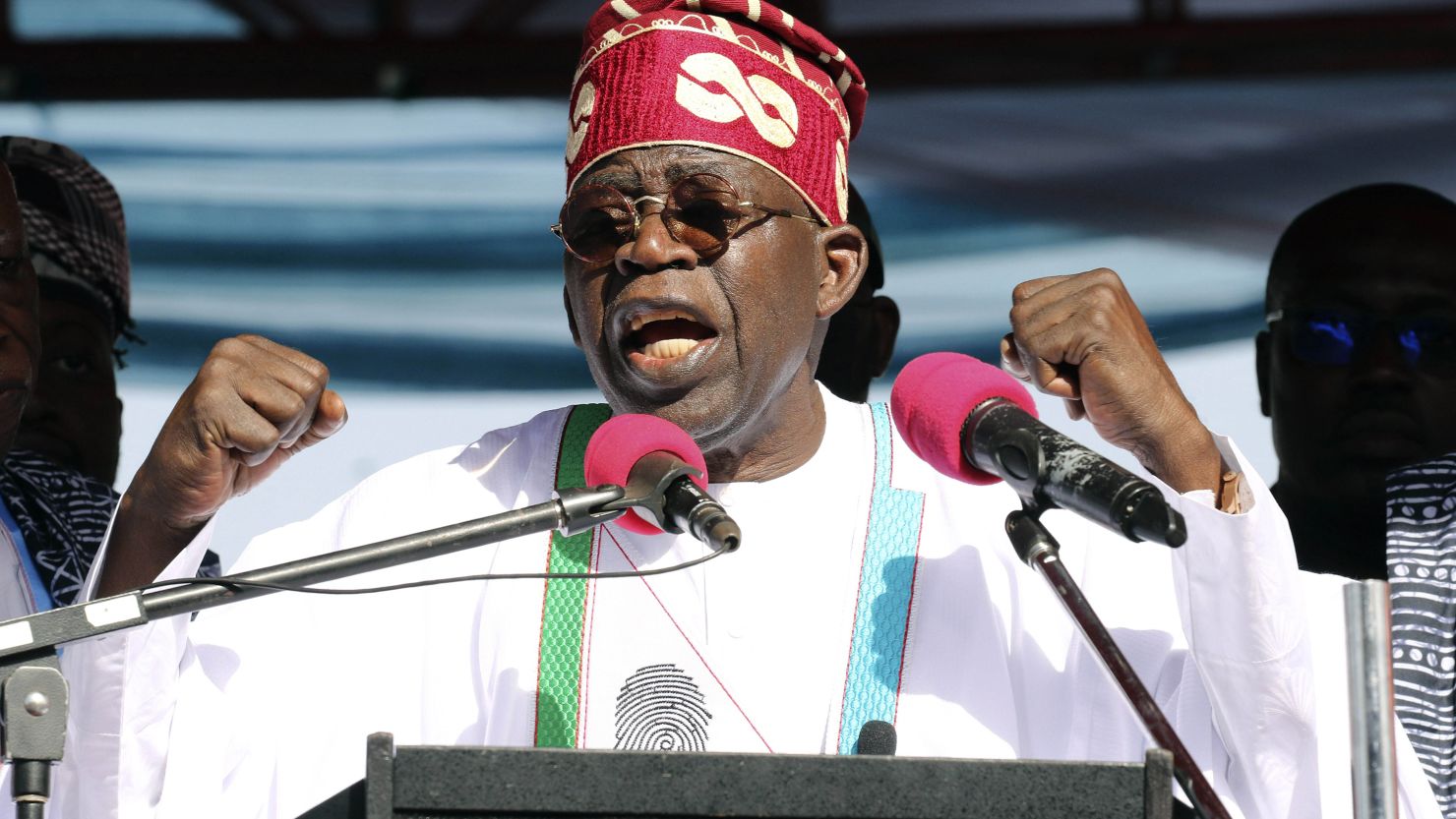
President Bola Tinubu has formally raised concerns over recurring xenophobic and Afrophobic attacks against Africans and other foreign nationals in South Africa with the African Union (AU), calling for urgent collective action to protect African unity and peaceful coexistence.
Tinubu’s intervention was delivered by Vice President Kashim Shettima at the 21st Extraordinary Session of the Assembly of the African Union in Luanda, Angola.
The President urged African leaders to place the issue on the agenda of the AU’s 40th Ordinary Session of the Assembly, scheduled for January 2027. He also called on member states to reaffirm their commitment to protecting the safety, dignity and rights of African nationals across the continent.
“Nigeria wishes to express its concern over the recurring xenophobic and Afrophobic attacks against Africans and other nationals in South Africa.
“While recognising South Africa’s sovereign right to enforce its immigration laws and acknowledging its contributions to the continent, Nigeria stresses that such attacks undermine African solidarity, unity and peaceful coexistence, and require urgent collective attention.
“It is on this note that Nigeria calls on this august Assembly to place the matter on the agenda of the upcoming 40th Ordinary Session of the AU Assembly, scheduled for January 2027, for consideration and appropriate action,” he declared.
Tinubu Calls for Stronger Action Against Xenophobia
Tinubu urged the AU to intensify efforts to combat xenophobia and Afrophobia, stressing the importance of dialogue, preventive diplomacy and collective action in maintaining peace and unity across Africa.
“For Nigeria, conflict prevention remains more cost-effective and sustainable than conflict management,” President Tinubu said.
The President also warned that fragmented peace initiatives and growing reliance on foreign military forces, mercenaries and private defence contractors could weaken the AU’s conflict prevention structures and undermine the principle of African ownership of the continent’s peace and security efforts.
He called on countries that manufacture and export arms to work more closely with African governments to ensure that weapons and ammunition produced within their jurisdictions do not end up in the hands of terrorists and other non-state armed groups.
Tinubu noted that although the AU has established mechanisms for preventing and resolving conflicts, limited trust and inconsistent implementation continue to affect their effectiveness.
“The growing reliance on external actors risks weakening African institutions and the principle of African ownership,” he said, calling on member states to renew their commitment to collective responsibility for Africa’s peace and security.
Nigeria also expressed support for sustainable and predictable funding for AU peace operations and the full implementation of United Nations Security Council Resolution 2719.
Tinubu said these measures would strengthen the AU’s ability to respond more effectively to conflicts and crises across the continent.
He urged African leaders to prioritise home-grown solutions, stronger cooperation and shared responsibility in addressing the continent’s security challenges.
“Let us, therefore, renew our collective commitment to solidarity, cooperation, and shared responsibility as we build the Africa we want,” the President said.
Presidency Explains Tinubu’s Three-Week European Vacation
Meanwhile, the Presidency has explained why Tinubu embarked on a three-week vacation in Europe, saying the break was intended to allow the President to rest and “refuel” following months of intensive engagement with governance issues.
Special Adviser to the President on Media and Public Communications, Sunday Dare, disclosed this while speaking with journalists on Sunday.
Dare said Tinubu had remained deeply involved in the country’s affairs over the previous six to seven months, during which the administration made what he described as major decisions on the economy, security and other areas of governance.
“The President has had several months six, seven months —of being engaged with state matters. We’ve seen monumental changes, monumental decisions taken with our security, with our economy and so many other things as pertains to the running of the affairs of this country,” he said.
According to Dare, the timing of the President’s vacation was also connected to the start of political activities ahead of the 2027 general elections.
He said Tinubu was entering a period expected to involve several months of intensive campaigning while continuing to perform his duties as President.
“And at this point, the campaign season has just started. We have four, five months of serious campaigning. Of course, governance will still continue,” Dare said.
The presidential aide explained that the break would give Tinubu time to recharge ahead of the demanding political season. He added that the President would continue to monitor government activities while away.
The development comes as political parties and their candidates intensify preparations for the 2027 elections, with the All Progressives Congress expected to step up its campaign activities in the coming months.
