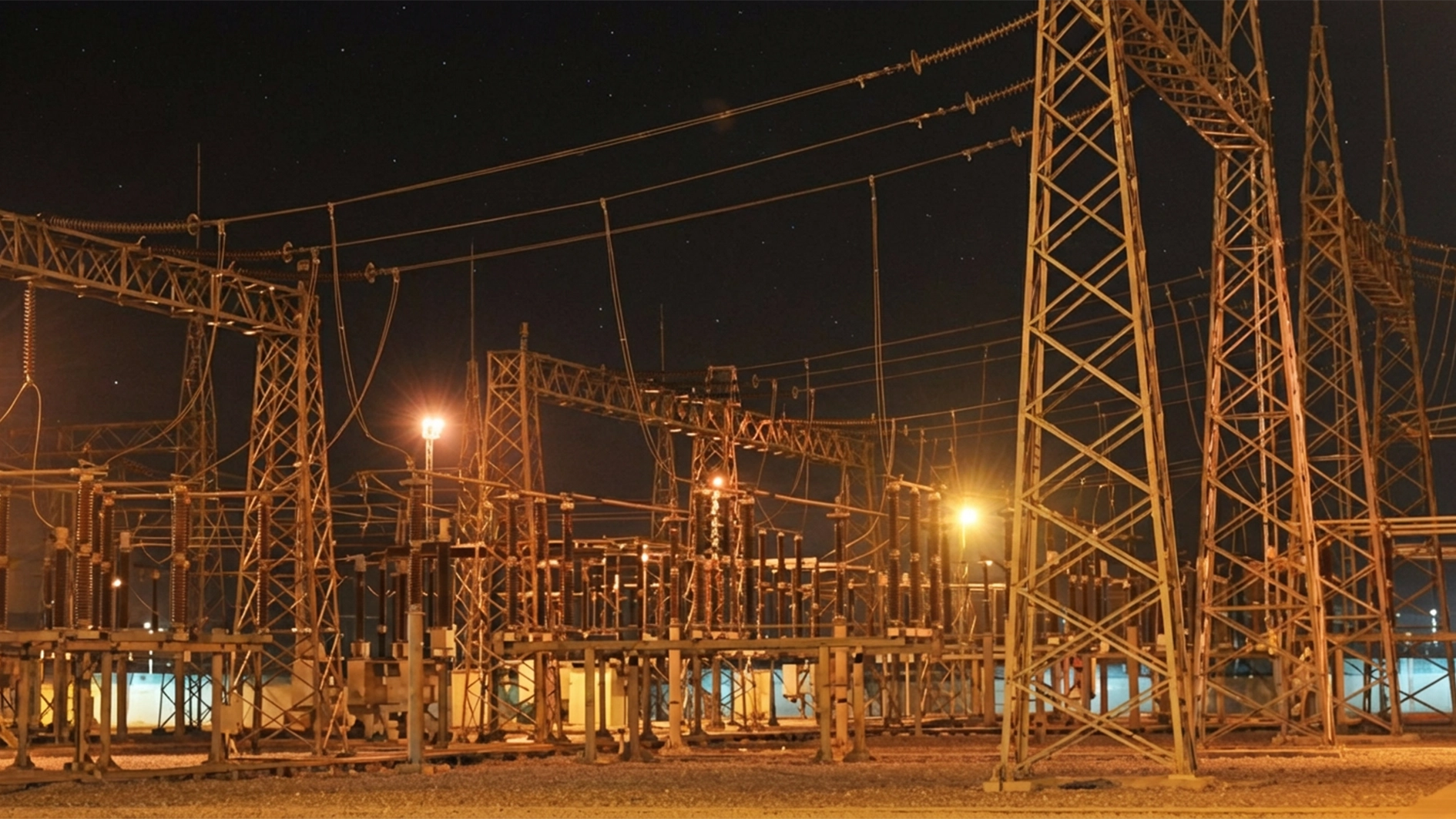
For many small businesses in Lagos, electricity is more than a convenience. It helps determine how much it costs to preserve goods, complete customer orders and keep daily operations running. When supply becomes unreliable, business owners may have to find alternatives, adding another expense to an already demanding operating environment.
The latest reduction in electricity supply across Ikeja Electric’s network has renewed attention on the cost of keeping businesses and households running when power from the national grid falls short.
On October 19, 2026, Ikeja Electric attributed reduced hours of electricity supply across its network to a shortfall in the amount of power allocated to it from the national grid. The company said it was engaging relevant stakeholders to improve the available supply and pledged to distribute the electricity it received as efficiently and equitably as possible.
The announcement followed a similar notice earlier in October, highlighting the continuing uncertainty facing customers who depend on public electricity for their daily activities.
For businesses, however, the issue extends beyond the hours spent without power. It also raises a practical question: who bears the additional cost when electricity supply falls below what customers need?
The cost of keeping businesses running
When public electricity is unavailable, businesses that require continuous power may have to rely on petrol or diesel generators, rechargeable equipment or other alternatives. The financial impact depends on the nature of the business, the equipment it uses and how long the disruption lasts.
A salon, for example, may need electricity for clippers, dryers and other equipment. A cold-drinks seller may need refrigeration to protect stock, while a printing business may depend on power to complete customer orders. These examples illustrate potential exposure to outages; the actual costs and experiences of individual businesses need to be established through interviews.
Generator use can introduce additional expenses, including fuel, maintenance and repairs. Businesses that cannot afford alternative power may instead reduce operating hours, delay orders or lose opportunities to serve customers.
The burden is not necessarily the same for every business. Some may have invested in inverters, solar systems or generators, while others may have little capacity to absorb the cost of alternative electricity. Establishing how these differences affect businesses in Ikeja Electric’s service areas would help explain the real economic consequences of reduced supply.
Why electricity allocation matters
Ikeja Electric distributes electricity to customers across parts of Lagos. It does not independently control every stage of the electricity supply chain.
Electricity available to distribution companies depends partly on how much power is generated and transmitted through the national grid. A shortfall in allocation can therefore limit the electricity a distribution company has available to supply its customers.
In March 2026, Ikeja Electric attributed widespread supply reductions to a nationwide drop in power generation caused by insufficient gas supply to thermal power plants. The company said the decline had reduced the energy available on the grid and, consequently, the allocation received by distribution companies.
In its October 19 notice, however, the company cited a shortfall in its allocation from the national grid. The specific causes and scale of the latest shortfall require further clarification from the relevant power-sector authorities.
This distinction matters because the electricity sector involves several stages, from gas supply and power generation to transmission and distribution. Understanding where a particular constraint occurs is necessary to establish which organisations can address it.
What customers are paying for
Reduced supply also raises questions about the relationship between electricity service and customer tariffs.
Under Nigeria’s service-based tariff framework, customers on different supply bands have specified minimum daily electricity-supply expectations. Band A customers, for example, are expected to receive at least 20 hours of electricity daily.
Ikeja Electric’s official notices in October included acknowledgements that some Band A feeders had fallen short of the expected minimum service level on particular days. These notices provide a basis for examining whether affected customers received the service associated with their tariff category and what corrective measures followed.
Customers should not, however, assume that every outage automatically entitles them to a refund or tariff adjustment. The applicable rules, the affected feeder, the period of under-supply and any regulatory remedy must be verified with the Nigerian Electricity Regulatory Commission and the distribution company.
For customers who pay for a defined level of service, clear information about supply performance and complaint procedures is an important part of accountability.
The questions that remain
Ikeja Electric has said it is engaging relevant stakeholders to improve the amount of electricity available to its network. The company’s explanation identifies the immediate problem as a shortfall in allocation, but customers also need clarity about how long the disruption may last and how supply will be managed in affected communities.
For small businesses, the most useful measure of the impact is not simply the number of outage announcements. It is the additional money spent on alternative power, the hours of work lost and whether those costs can be absorbed without increasing prices or reducing income.
Those figures must come from business owners and verifiable records rather than assumptions. Interviews with traders, salon operators, food sellers and other electricity-dependent businesses across affected areas could show how the reduction is changing their daily operations. Comparing fuel spending, operating hours and sales before and during the disruption would help establish the scale of the impact.
Responses from Ikeja Electric, the Nigerian Independent System Operator and the electricity regulator would also help clarify the causes of the shortfall, the expected duration of the disruption and the options available to customers whose service falls below the applicable standard.
Ultimately, reduced electricity supply is not only a question of how much power reaches Lagos. It is also a question of what customers must spend to make up the difference. For businesses operating on tight margins, that additional expense can be as important as the outage itself.
