by: Ogundana Boluwatife
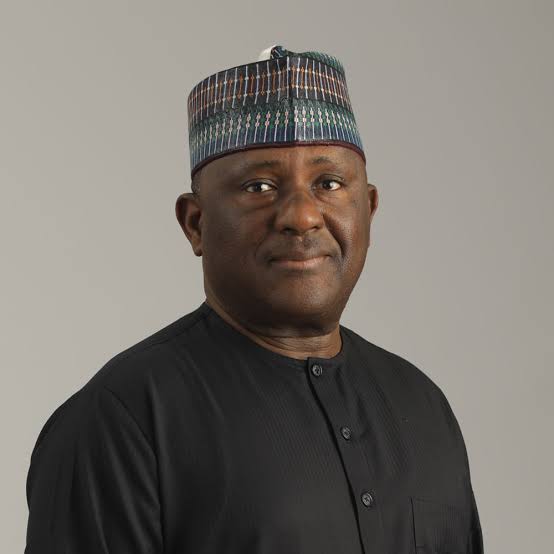
When Nigerians think about cement, sugar and other everyday products, they may recognise the brands without knowing much about the businessman behind them. One of those businessmen is Abdulsamad Rabiu, the founder of BUA Group, a Nigerian conglomerate with interests in cement, food production, infrastructure and real estate.
Rabiu has built his business over several decades, moving from trading into large-scale manufacturing and investments. His story offers a closer look at how a Nigerian entrepreneur built a business empire around products that households and industries depend on.
Who Is Abdulsamad Rabiu?
Abdulsamad Rabiu is a Nigerian industrialist and philanthropist. He studied economics at Capital University in Columbus, Ohio, in the United States, before establishing his own business in 1988.
He came from a business family, but his own journey involved building and expanding companies across several industries. Rather than remaining focused on importing and trading goods, Rabiu gradually moved into manufacturing, acquiring businesses and investing in production facilities.
His company, BUA Group, has since grown into one of Nigeria’s major industrial groups.
How He Built BUA Group
BUA Group was established in 1988, initially operating as a trading company. According to the company’s official history, it expanded into different sectors through investments and acquisitions.
One important part of this growth was its move into food processing. The group developed interests in sugar refining, flour milling, pasta production and other food-related businesses. These are products with a broad market because they serve households, retailers and other manufacturers.
Rabiu also expanded into cement production, a sector closely linked to construction and infrastructure development. BUA invested in cement facilities and acquired stakes in existing cement businesses, helping it establish a significant presence in Nigeria’s cement industry.
In 2020, BUA Cement Plc was listed on the Nigerian Exchange following the merger of Obu Cement and Cement Company of Northern Nigeria. BUA Foods Plc was subsequently listed in January 2022.
These listings gave investors the opportunity to buy shares in the companies and made the value of significant parts of Rabiu’s business holdings more visible to the market.
How Does Abdulsamad Rabiu Make His Money?
Rabiu’s wealth is largely associated with his ownership stakes in BUA’s businesses. His major sources of wealth include:
Cement: BUA Cement supplies a product used in housing, commercial construction and infrastructure projects. Its publicly traded shares are an important component of the value attributed to Rabiu’s holdings.
Food production: Through BUA Foods, the group operates in food manufacturing and processing, including sugar and other essential food products.
Other investments: BUA Group also has interests in infrastructure, real estate and other industrial activities.
It is important to distinguish the group’s overall business value from Rabiu’s personal wealth. A company’s revenue is not the same as its profit, and neither is automatically equal to its founder’s net worth. His personal wealth estimates are influenced by the value of his shareholdings, other assets and relevant liabilities.
Abdulsamad Rabiu’s Estimated Net Worth Today
According to Forbes’ real-time billionaire profile, Abdulsamad Rabiu’s estimated net worth was $12.3 billion as of October 26, 2026.
Forbes also reported an estimated net worth of $11.2 billion in its 2026 annual billionaires list, published in March. The difference reflects the fact that the annual list uses a particular valuation date, while its real-time tracker changes as market values move.
These figures are estimates rather than a complete public accounting of every asset and liability Rabiu holds. Much of his reported wealth is tied to his stakes in publicly listed companies, whose share prices can rise or fall.
For the latest figure, readers can visit Forbes’ Abdulsamad Rabiu profile.
What His Business Journey Shows
Rabiu’s journey illustrates how a business can grow by moving beyond trading into manufacturing and long-term investment. His expansion into cement and food production placed BUA in sectors that supply essential products to consumers and other businesses.
His story also highlights the role of acquisitions, production capacity and ownership stakes in building industrial wealth. However, his success should not be reduced to a simple formula: large-scale manufacturing requires substantial capital, infrastructure, distribution networks and the ability to compete in demanding markets.
For aspiring entrepreneurs, one lesson is to understand the market being served and consider how a business can create lasting value. Rabiu’s career shows what can happen when a company develops beyond its initial activities and builds a presence across connected industries.
Conclusion
Abdulsamad Rabiu’s rise through BUA Group is a story of long-term business expansion, industrial investment and strategic growth. From a trading company established in 1988, BUA developed into a major Nigerian conglomerate with interests in food production, cement and other sectors.
His estimated $12.3 billion net worth, according to Forbes’ real-time figure on October 26, 2026, reflects the value attributed to his business interests at that point in time. As market conditions change, that estimate can change too.
For readers interested in how wealth is built in Nigeria, Rabiu’s journey offers a useful example of how investments in essential industries can develop into a substantial business empire.
Sources
- Forbes — Abdulsamad Rabiu profile and estimated net worth
- BUA Group — Official company history
- BUA Foods — Official profile of Abdul Samad Rabiu
- Nairametrics — Report on Rabiu’s net worth
