By Radarr Africa Business Desk
LAGOS, November 3 (Radarr Africa) – British International Investment (BII), the United Kingdom’s development finance institution, plans to commit about £2.25 billion ($3 billion) over the next five years to Africa’s frontier markets and least-developed countries, Nairametrics reported on Monday.
Nairametrics said the initial report came from Bloomberg. The money is aimed at markets where major institutional investors have been reluctant to put capital to work.
The commitment forms part of BII’s 2026 to 2031 strategy and represents 25 per cent of its planned £9 billion of investment in Africa over that period, according to the report. The institution plans to work with local partners to strengthen financial markets and remove barriers that keep capital from reaching businesses and infrastructure.
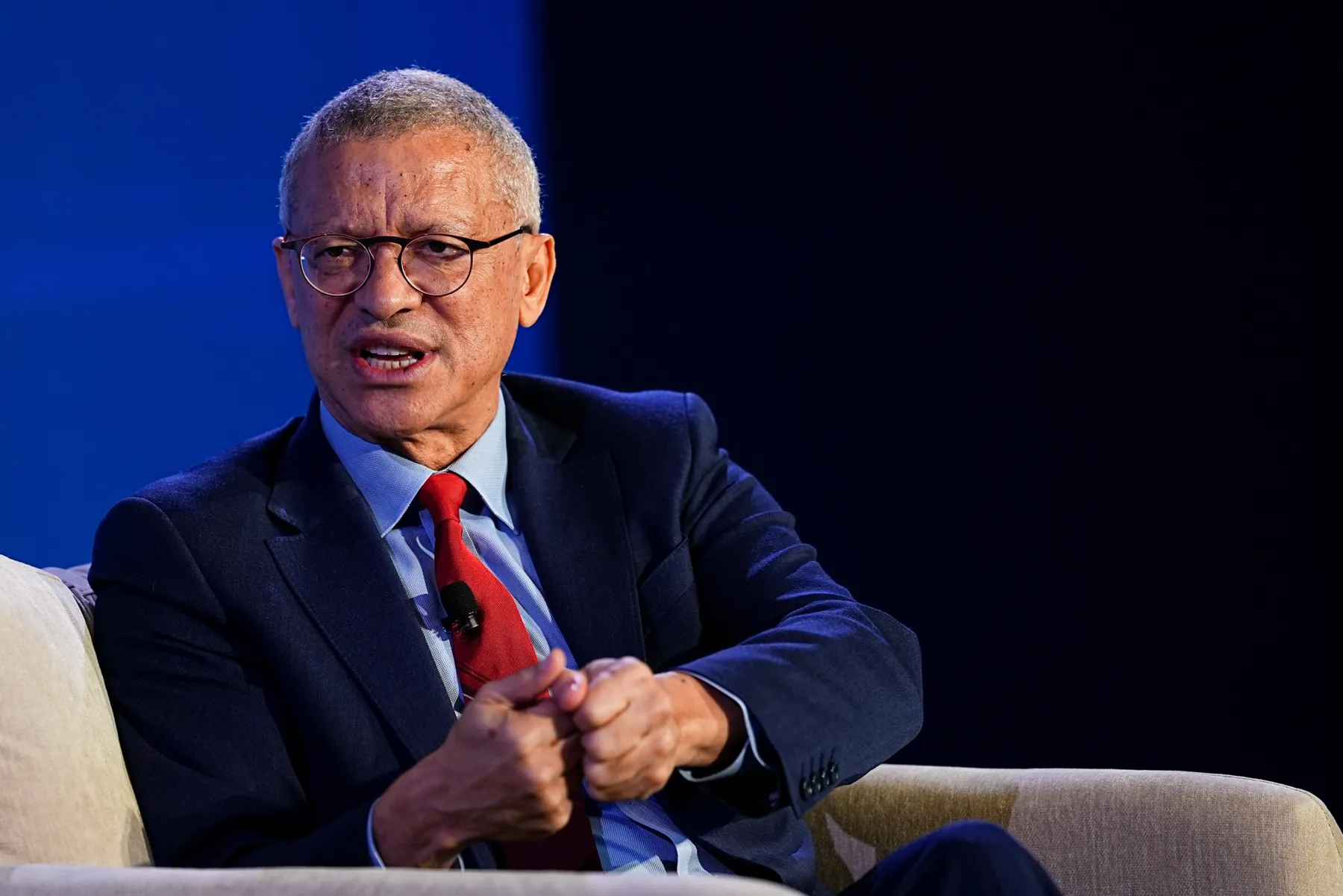
BII chief executive Leslie Maasdorp explained why a dedicated push is needed. Many African countries fall outside the criteria of global asset managers because they are rated well below investment grade or are unrated, he said, according to the report. He illustrated the point by saying BII was not going to get BlackRock to come and invest in Burundi or the Democratic Republic of Congo.
Of the £9 billion planned for Africa, BII intends to provide £5 billion directly and mobilise a further £4 billion from partners, mainly for infrastructure and productive sectors, Nairametrics reported. Priority areas include power, ports and railways, as well as digital infrastructure such as telecom towers and data centres. The institution also plans to support financial inclusion and manufacturing, including electric mobility.
Banks are expected to be a main channel. Seema Dhanani, BII’s regional director for East Africa, said, as quoted by Nairametrics, that “Banks give us scale and they also give us reach”. She said BII can tailor transactions to the sectors it wants to target. Through banks, the institution has named small and medium-sized enterprises, agriculture, women-owned businesses and climate finance as target areas.
Across Africa and its other markets, BII has a total investment target of £15 billion, the report said.
The £2.25 billion earmarked for frontier markets and least-developed countries is a quarter of the £9 billion Africa plan, which in turn is part of the £15 billion target for all of BII’s markets. On the figures reported, that leaves about £6.75 billion of the Africa plan for countries outside the frontier and least-developed group, and about £6 billion of the overall target for markets outside Africa.
The report did not name the countries that would receive money from the frontier-market allocation, other than the two Maasdorp used as examples, Burundi and the Democratic Republic of Congo. It also did not say how much of the funding would be debt, equity or guarantees, or give a timetable for individual deals.
Nairametrics said Dhanani’s comments pointed to bank partnerships as the route for reaching smaller businesses, while the direct investments would go mostly into infrastructure. The report was written by Olalekan Adigun and published on November 2.
