By Radarr Africa Business Desk
KINSHASA, November 16 (Radarr Africa) – The Central Bank of Congo (BCC) is preparing commercial banks for a ban on cash payments in foreign currency that takes effect on April 9, 2027, after its governor met banking industry representatives last week.
BCC Governor André Wameso met members of the Congolese Banks Association on November 10 to clarify the measures governing cash transactions in foreign currency and prepare their implementation, according to a report of the meeting, translated from French.
The bank announced the ban in April. Wameso said then that no person would be authorised to carry out cash transactions in foreign currencies after April 9, 2027. The rule covers cash payments in US dollars and other foreign currencies by individuals and businesses. Commercial banks are barred from physically importing foreign banknotes, and foreign currency transactions will be allowed only electronically through the banking system.
The Congolese franc is the only legal tender, but the economy remains heavily dollarised. Most transactions above $5 are conducted in US currency, and cash dollars are common for rent, school fees, healthcare and large purchases in big cities and border areas. Hyperinflation in the 1990s, when inflation reached about 2,000 per cent, pushed households and businesses toward the dollar.
The franc trades at roughly 2,300 per US dollar, compared with about 920 in 2010, and it has weakened on the official market this year. A 2024 directive required electronic payment terminals to accept only francs but had limited effect because dollar cash continued to dominate informal and retail markets.
Authorities say the new rule aims to restore monetary sovereignty, encourage use of banks, clean up the financial system and rebuild confidence in the national currency. The policy is also linked to efforts to leave the Financial Action Task Force grey list. Stricter anti-money laundering laws were adopted in 2022 and expanded in 2025, and the financial intelligence unit, CENAREF, received stronger powers to track suspicious transactions.
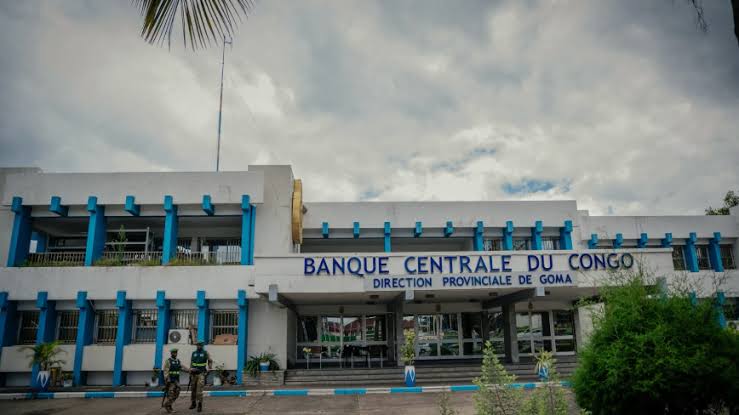
Reaction has been mixed. Some residents of Kinshasa welcome the measure as necessary for monetary sovereignty, while others are deeply worried. In Goma, the situation is more complex because several banks have been closed for over a year since M23 rebels took the city. Critics fear the rule will be hard to apply in crisis zones and areas with few bank branches.
At the time of the announcement, economic growth for 2026 was projected at 6.2 per cent, inflation had fallen to 2.2 per cent year on year as of March from over 10 per cent a year earlier, and the central bank had cut its policy rate from 15 per cent to 13.5 per cent.
The country, with more than 100 million people, remains central to global supply chains for critical minerals such as cobalt. It also has one of the world’s largest informal sectors, which will test the state’s ability to enforce the ban in a largely cash-based economy.
