By Radarr Africa Business Desk
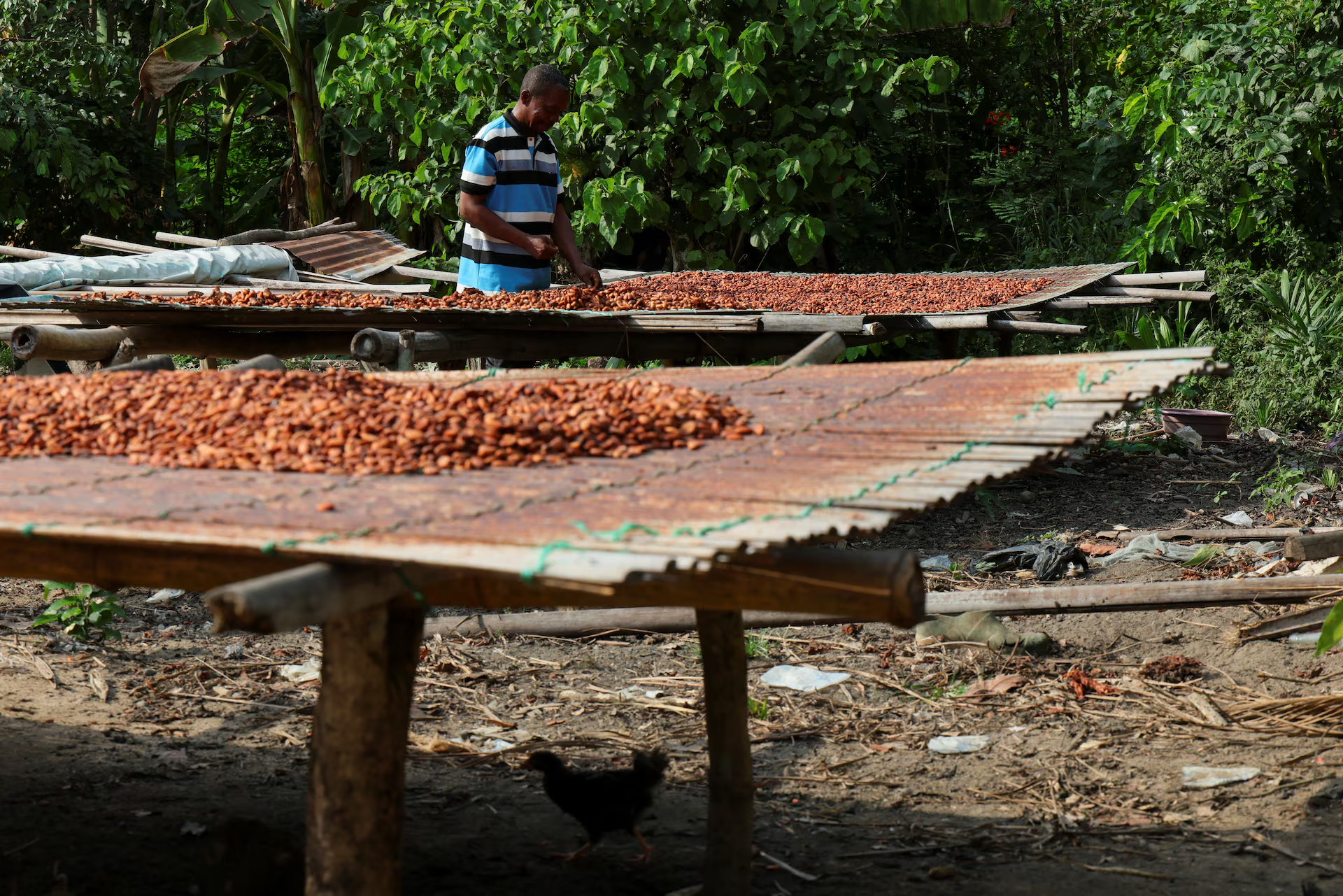
LAGOS, November 5 (Radarr Africa) – Ghana’s cocoa season has started poorly, with uneven rainfall and delayed fertiliser cutting harvests sharply from last year, though farmers say they hope output will recover by March, according to a Reuters report distributed by CNBC Africa.
The report, datelined Accra on November 2, said too much rain in some areas and too little in others has disrupted pod development. Harvests have fallen sharply compared with last season.
Farmer Joseph Agbeko told Reuters he has harvested five bags so far this season, compared with 31 bags, about two tonnes, last year. “It has now started raining, so we are looking forward to an improved harvest by March next year,” he said.
Moses Djan Asiedu, administrator of the Ghana Cooperative Cocoa Farmers and Marketing Association, said farm visits in four cocoa-growing regions showed mixed results. He said fruiting could start again if the rains come in the right quantities, adding: “But this is not predictable.”
Fertiliser, which is normally applied between March and May, arrived in August this season, and some farmers have still not received it, according to the report.
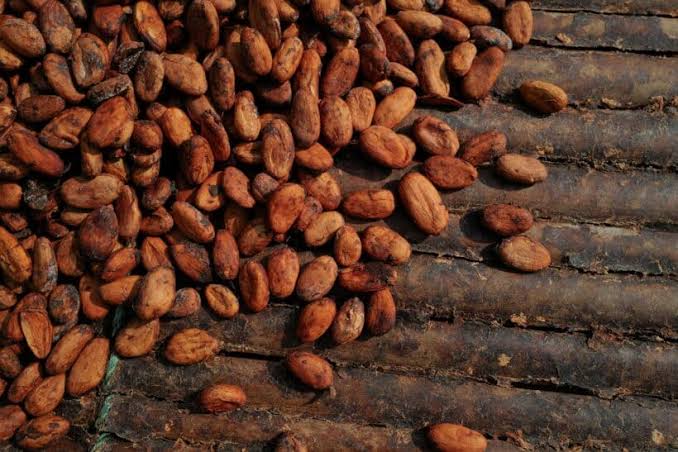
Ghana produced 771,000 tonnes of cocoa last season against a target of 650,000 tonnes, Reuters reported. The state cocoa regulator, COCOBOD, told Reuters in July that output would fall by at least 16 per cent this season. It has not announced a production target for the current season.
COCOBOD did not immediately respond to questions about the fertiliser delays or to a request for an updated forecast, the report said.
The Ghana Meteorological Agency has confirmed a strong El Nino and warned in a statement of possible prolonged dry spells that could affect production, according to Reuters. The harmattan, a dry wind from the Sahara, typically blows from December to March.
The poor start adds to pressure on a sector central to Ghana’s economy. The report did not give figures for national arrivals or exports so far this season, and it did not say how many farmers are affected by the fertiliser delays.
Mr Agbeko’s harvest of five bags compares with 31 bags a year earlier, a fall of about 84 per cent on Radarr Africa’s calculation from the figures reported. The report presented his experience as one farmer’s account rather than a national figure.
Reuters said the Ghana Cooperative Cocoa Farmers and Marketing Association’s visits covered four regions but did not name them. The outcome of the season will depend on whether the rains continue and on how long the harmattan lasts, the farmers and the weather agency indicated.
Separately, Nairametrics reported on November 4 that Ghana’s annual inflation rose to 5.5 per cent in October, an 11-month high, with the cedi down about 10 per cent against the dollar this year.
