Nigerian airlines are exploring alternative funding options as rising bank lending rates increase the cost of financing daily operations and business expansion.
Airlines are increasingly looking towards capital markets and partnerships with state governments to ease financial pressure and access additional funding, as traditional bank loans become more expensive.
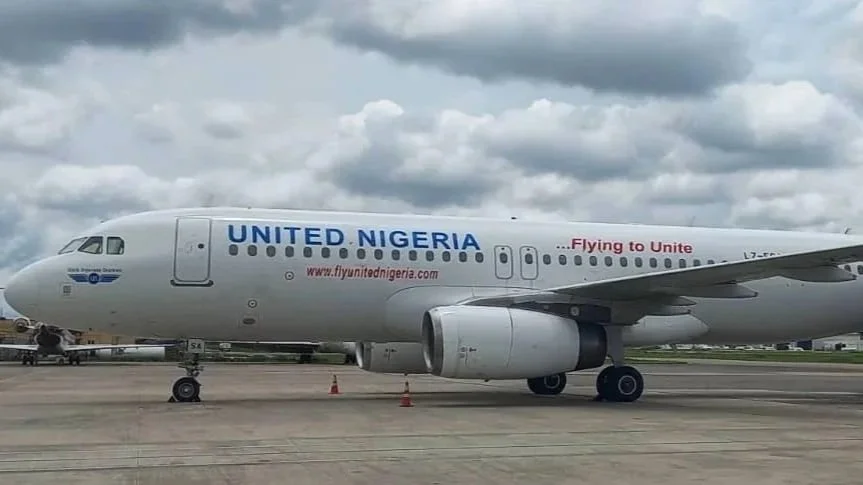
United Nigeria Airlines has introduced a commercial paper programme, marking a new financing approach for the domestic aviation industry. The move reflects growing interest in raising funds directly from investors rather than relying exclusively on commercial bank borrowing.
Commercial paper allows companies to raise short-term funds from investors to support working capital and other business needs. For airlines, this could help cover operating expenses and improve access to financing, although repayment obligations and market conditions remain important considerations.
State government partnerships are also emerging as another funding option, potentially helping airlines access capital and expand operations through collaborative arrangements.
The shift comes as Nigerian carriers face significant financial demands, including aviation fuel costs, aircraft leasing, maintenance, insurance and other operational expenses. High borrowing costs can further squeeze profit margins and limit airlines’ ability to invest in fleet expansion.
By diversifying their funding sources, airlines hope to reduce dependence on expensive bank loans and establish more sustainable financing arrangements.
However, alternative funding models also come with challenges. Commercial paper requires investors willing to provide funds, while government partnerships depend on clear agreements, effective management and the availability of public resources.
The long-term impact will depend on whether these financing arrangements provide affordable capital and help airlines maintain financial stability in Nigeria’s challenging operating environment.
