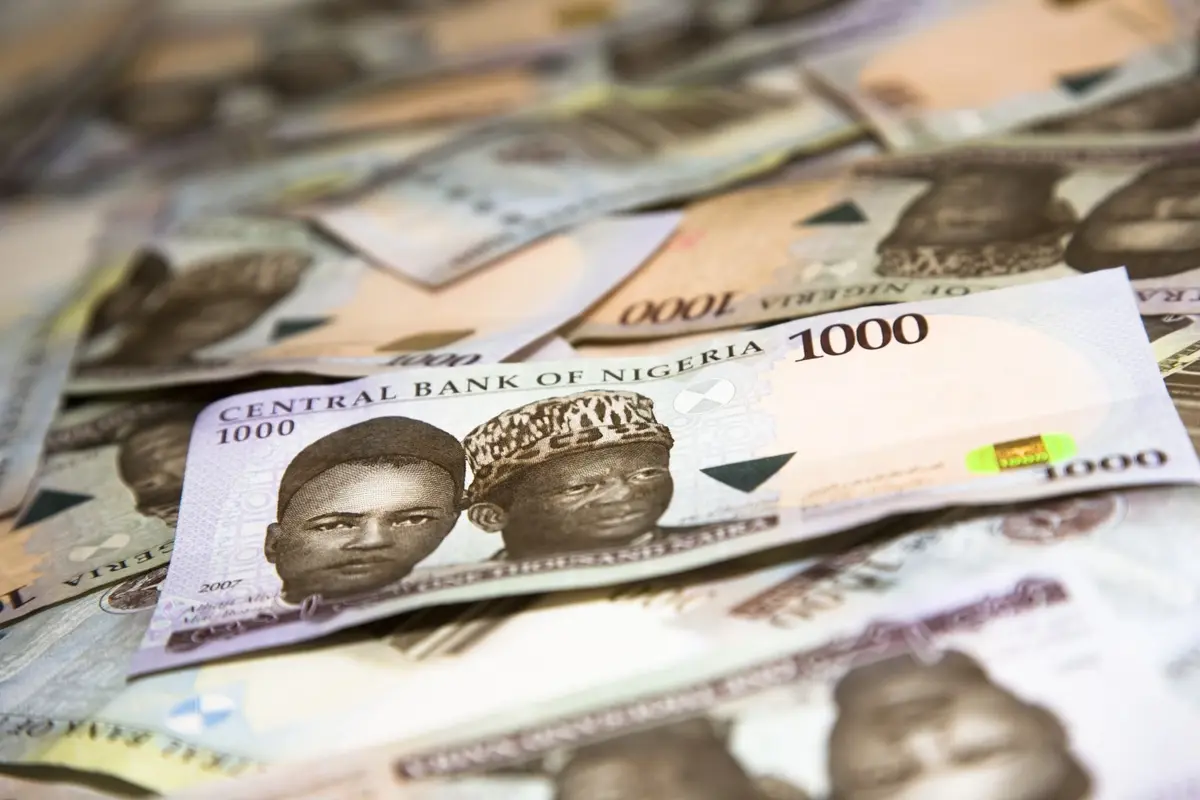
Deutsche Bank has adopted a positive outlook on the Nigerian naira, adding the currency to its frontier foreign exchange monitor as it identifies opportunities for further appreciation against the US dollar.
In a client note released on Monday, October 19, the German lender described the naira as undervalued, pointing to Nigeria’s relatively high interest rates and the potential returns available to foreign investors holding naira-denominated assets.
The currency has gained nearly 8 per cent against the dollar in 2026, placing it among the 10 best-performing currencies out of 144 tracked by Bloomberg. Its recovery has also improved returns on Nigerian government bonds and equities for investors measuring performance in dollars.
Why Deutsche Bank Is Positive on the Naira
Deutsche Bank’s outlook is supported by attractive interest-rate differentials, which can encourage international investors to move funds into Nigerian assets in search of higher returns.
This strategy, known as a carry trade, involves taking advantage of differences in interest rates between currencies. However, any profits can be reduced or erased if the naira weakens against the dollar.
The lender also identified stronger external balances, foreign exchange reserves and investor inflows as factors supporting frontier currencies in Africa.
Higher crude oil prices have helped Nigeria and Angola strengthen their external positions, while rising gold prices have supported Ghana. These developments, alongside relatively high real interest rates, have improved the investment appeal of the three markets.
Nigeria’s inclusion in the monitor places it alongside Angola’s kwanza and Ghana’s cedi, increasing the naira’s visibility among investors tracking opportunities in frontier foreign exchange markets.
Government Borrowing Remains a Major Risk
Despite its positive assessment, Deutsche Bank warned that Nigeria’s fiscal outlook could undermine further gains in the naira.
“The principal risk to the outlook is from the fiscal side,” the bank said, pointing to the Debt Management Office’s bond issuance calendar, which indicates “elevated issuance levels”.
Heavy government borrowing could increase pressure on domestic interest rates and absorb funds that might otherwise support other investments. Higher public spending could also complicate efforts to maintain currency stability.
The lender expects government expenditure to rise ahead of Nigeria’s January elections, raising questions about the potential effects on public finances and investor confidence.
For foreign investors, the key consideration is whether the returns available on Nigerian assets will remain attractive enough to compensate for currency and fiscal risks.
What This Means for Nigeria’s Currency Market
Deutsche Bank’s decision comes amid improving international attention towards Nigeria’s foreign exchange market. The naira’s appreciation and the availability of high-yielding domestic assets have strengthened the case for investors seeking opportunities in the country.
However, the bank’s positive outlook is not a guarantee that the currency will continue to appreciate. Movements in oil prices, foreign exchange supply, inflation, interest rates and government borrowing could all influence its performance.
The sustainability of the naira’s gains will therefore depend partly on Nigeria’s ability to maintain investor confidence, manage fiscal pressures and preserve adequate foreign exchange liquidity.
For now, Deutsche Bank sees value in the naira and opportunities in Nigerian assets. Whether those opportunities translate into lasting currency gains will depend on how the country manages the economic risks ahead.
