By Radarr Africa Business Desk
LAGOS, October 29 (Radarr Africa) – South Africa faces a significant risk of returning to the Financial Action Task Force (FATF) grey list barely a year after it was removed, Business Leadership South Africa (BLSA) has warned, citing a lack of progress on anti-corruption reforms, Reuters reported.
The grey list names countries placed under increased monitoring for weaknesses in combating money laundering and terrorist financing. South Africa spent more than two years on it before its removal, according to the report.
The warning came from BLSA’s quarterly Reform Tracker, presented at a briefing on Wednesday. The tracker’s anti-corruption reform score was 51.2, unchanged in the July to September quarter, with no anti-corruption deliverables advancing. That is roughly halfway and well below the overall score, Reuters said.
The overall reform score rose to 72.5 from 71.3 in the previous quarter, the highest since monitoring began in March 2024. Despite that, the weak anti-corruption showing prompted the warning.
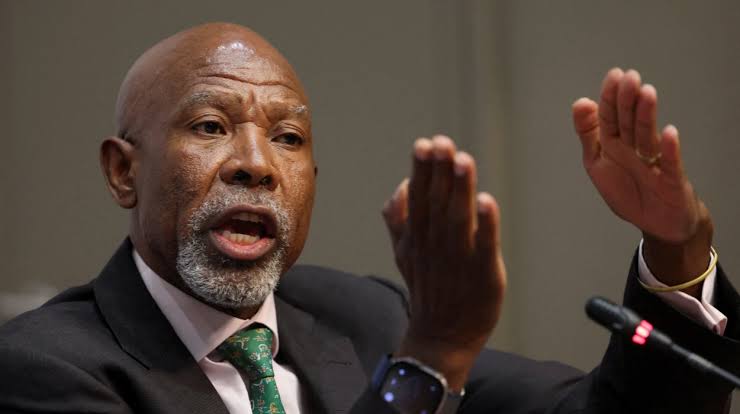
Stuart Theobald, executive chairman of the research consultancy Krutham, which compiles and analyses the tracker, said: “We are at risk of re-entering that grey list. There is significant risk.”
Busi Mavuso, chief executive of BLSA, warned against complacency while weaknesses in criminal justice institutions remain unresolved, according to the report.
Ismail Momoniat, a National Treasury adviser who led the campaign to exit the grey list in October 2025, has also flagged the danger, with anti-corruption identified as the weak point, Reuters reported. National Treasury leads the government’s anti-corruption efforts. It did not immediately respond to a request for comment.
Reuters said BLSA points to weaknesses in investigating organised crime, prosecuting successfully and recovering criminal assets. It noted that the state-appointed Madlanga inquiry, which is examining alleged corruption and interference in law enforcement, has uncovered leadership failings in the police and intelligence services.
The report listed the consequences of a return to the grey list. These include increased scrutiny of South African financial transactions and higher compliance costs for banks and businesses. Some international banks could also withdraw from correspondent relationships, which would make cross-border payments and trade finance slower and more expensive.
Business groups have previously warned that the listing deterred foreign investment, Reuters said.
The next checkpoints are already scheduled. An FATF peer review is expected in the first quarter of 2027, and a full FATF mutual evaluation will run through October 2027. That evaluation will assess whether the increase in investigations and prosecutions of money-laundering networks has been sustained, according to the report.
South Africa’s removal from the grey list followed a campaign led by National Treasury, Reuters said. The FATF Plenary, meeting in Paris from 22 to 24 October 2025, decided to delist the country, the South African government news agency SAnews reported at the time. South Africa had been placed on the list in February 2023, and the government had been working through 22 action items in a plan agreed with the FATF.
SAnews said reviewers made an on-site visit in late July 2025 to confirm that the reforms were sustainable. It reported that the FATF requires continued results, such as investigations, prosecutions and sanctions, and that the next mutual evaluation was expected to begin in the first half of 2026 and conclude in October 2027.
