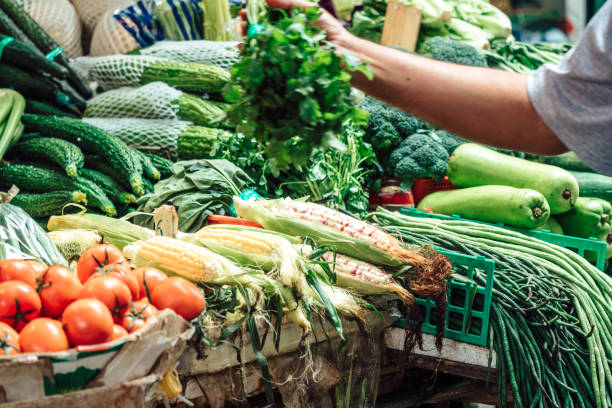
For many Nigerians, the cost of living is no longer measured only by the price of a bag of rice or a basket of tomatoes. It is found in the daily decisions over how to get to work, pay electricity bills, buy data, afford transport and still have enough money left at the end of the day.
In 2026, ordinary life has become an exercise in constant calculation.
Nigeria’s headline inflation currently stands at 15.43%, while food inflation is considerably higher at 20.31%, according to the National Bureau of Statistics. (nigerianstat.gov.ng) Although inflation has eased from the extremely high levels recorded during the earlier cost-of-living crisis, lower inflation does not mean that prices have returned to what they were before.
For Nigerians, this distinction is felt in their pockets.
More Than the Price of Food
Food remains one of the biggest concerns for households, but it is only one part of the problem.
Transportation, electricity, internet data, rent, cooking gas and other everyday necessities continue to take up portions of people’s income. Reuters recently reported that many Nigerians are still struggling with rising living costs, with households having to adjust their spending and make difficult choices. (Reuters)
A person may spend less on food but pay more to get to work. Someone may find cheaper accommodation but spend more on transportation because of the distance. Another person may postpone buying something important because the money is needed for electricity or other household expenses.
The cost of survival, therefore, is not always found in one large bill. Sometimes, it is hidden in several small expenses that appear harmless individually but become significant when added together.
The Things People Now Think Twice About
For many Nigerians, ordinary choices now require more consideration.
A meal bought outside. A ride-hailing trip. A new pair of shoes. A weekend outing. Even a simple trip across town can become a question of whether the expense is necessary.
People are finding different ways to cope. Some buy cheaper alternatives, reduce unnecessary journeys, take on additional work or cut back on things they previously considered normal expenses.
The adjustments may seem small, but they reveal a larger reality: people are not simply paying more; they are changing how they live.
When Survival Becomes Calculation
The hidden cost of living in Nigeria in 2026 is therefore not just the amount written on a price tag.
It is the meal skipped to save money.
The journey cancelled because transport is too expensive.
The purchase postponed until the next payday.
The extra work taken on to cover an unexpected bill.
As Nigeria’s economic reforms continue to shape the country’s financial outlook, the real test for many citizens remains much simpler: Can their income still provide the life they once considered ordinary?
For millions of Nigerians, that question is answered every day, one expense at a time.
