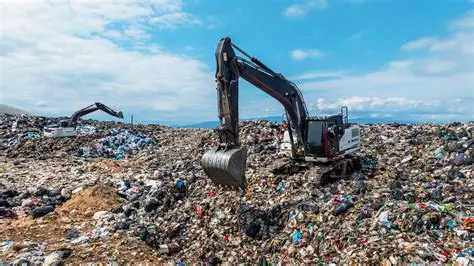
Lagos is a city that rarely stops moving. From the early morning rush to the endless traffic that stretches into the evening, millions of people navigate the city every day in pursuit of work, school, business and a better life. Yet, in many parts of the city, there is another constant presence that residents have learned to live around: piles of discarded waste.
On some streets, refuse spills from overflowing bins onto roadsides. Plastic bottles, food containers and discarded nylon gather around drainage channels, while the smell of decomposing waste lingers in the air. For residents, this is more than an unpleasant sight. It is a daily reality that can affect how they move, work and live.
Lagos generates thousands of tonnes of waste every day, placing enormous pressure on the systems responsible for collecting and disposing of it. When waste is not properly collected, it does not simply disappear. It accumulates in streets, markets and residential areas, and can eventually find its way into drainage channels and waterways.
The consequences become particularly visible when the rain comes.
A drainage channel filled with plastic bags and other discarded materials has little room to carry away rainwater. Streets that residents use every day can quickly become flooded, forcing pedestrians to wade through dirty water and motorists to navigate difficult roads. What begins as a waste-disposal problem can therefore become a transportation, environmental and economic problem.
For some residents, flooding is not an occasional inconvenience but a recurring disruption. A journey that would normally take a few minutes can become much longer, while businesses located in affected areas may have to close temporarily or deal with damaged goods and property.
But the cost of poor waste management is not limited to flooding.
Where refuse is allowed to remain for long periods, it can attract flies, rodents and other pests. Stagnant water around poorly managed waste can also create conditions that encourage the spread of disease. Residents living close to accumulated refuse are therefore exposed to environmental and health concerns simply as a consequence of their surroundings.
For traders, the problem can be even more immediate.
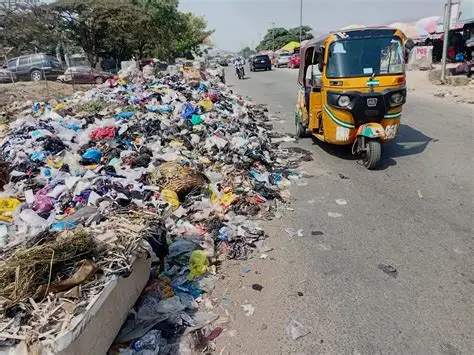
A market stall surrounded by waste can discourage customers, create unpleasant working conditions and affect the appearance of an entire business area. Yet many traders continue to work beside refuse because moving their businesses is not an option. Their livelihoods depend on remaining where their customers are.
The problem also raises questions about responsibility.
Waste management is not solely the responsibility of government agencies. Residents have a role to play in how waste is disposed of, while businesses and manufacturers contribute to the amount of packaging and other materials entering the waste stream. But responsible disposal becomes difficult when collection systems are inconsistent or inadequate and designated disposal points are not available or poorly maintained.
This creates a cycle: waste is generated, disposal becomes difficult, refuse piles up, and residents adapt to living around it.
And perhaps that is one of the most worrying parts of Lagos’ waste problem, how easily people can become usedto it.
A pile of refuse that would once have been shocking can eventually become part of the scenery. People learn which side of the road to walk on, which areas to avoid after rainfall and how to move around overflowing gutters. The waste remains, but everyday life continues.
Lagos is a city built on movement, commerce and constant activity. Its waste crisis, however, shows what happens when the systems supporting that movement struggle to keep pace with the people and businesses they serve.
The rubbish on the roadside may look like an environmental problem, but its consequences reach much further. It can determine whether a road remains passable after rainfall, whether a trader can keep a shop open, whether a resident can walk home comfortably and whether a neighbourhood feels safe and healthy.
In the end, the cost of Lagos’ waste crisis is not measured only in tonnes of refuse collected or left behind. It is measured in the everyday experiences of the people who have no choice but to live with it.
