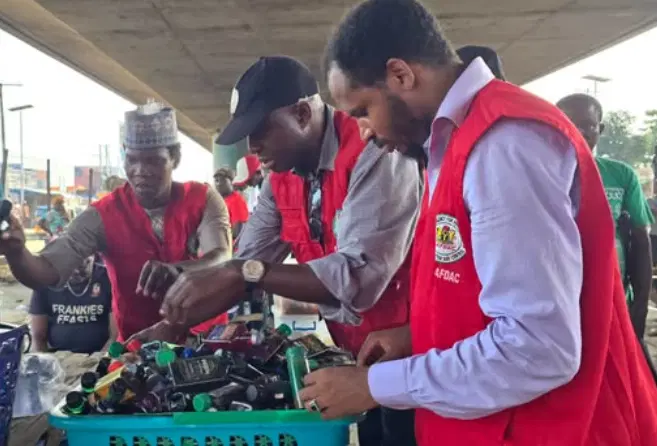
The National Agency for Food and Drug Administration and Control (NAFDAC) has directed manufacturers to recall alcoholic beverages packaged in sachets and containers smaller than 200ml as the Federal Government intensifies efforts to enforce regulations aimed at reducing alcohol-related harm.
Under the directive, manufacturers are required to identify and properly record all affected products and destroy them under NAFDAC’s supervision. The companies will also be responsible for covering the cost of the recall and destruction exercise.
NAFDAC said the move is part of efforts to remove prohibited small-volume alcoholic drinks from the Nigerian market and reduce their accessibility, particularly among young people.
Ban on Alcohol Products Under 200ml Takes Effect
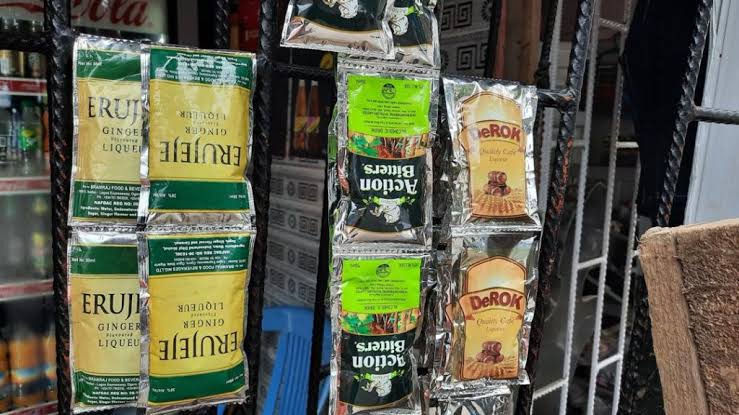
The ban on the production, importation, distribution and sale of alcoholic beverages packaged in sachets and containers below 200ml officially took effect on January 1, 2026.
The implementation followed the expiration of a transition period that had been provided to manufacturers to comply with the new requirements.
NAFDAC warned manufacturers, distributors and other businesses that fail to comply with the directive that they could face regulatory sanctions.
Nigeria Launches New Alcohol Policy
The latest enforcement action comes as the Federal Government introduces the Nigeria Alcohol Policy and its Multisectoral Implementation Plan 2026–2030 in Abuja.
Launched by the Federal Ministry of Health and Social Welfare, the policy establishes a national framework for tackling harmful alcohol consumption. It also outlines measures covering the production, distribution, marketing and consumption of alcoholic beverages.
The Coordinating Minister of Health and Social Welfare, Prof. Muhammad Ali Pate, represented by the ministry’s Permanent Secretary, Daju Kachollom, said harmful alcohol use and the circulation of illicit and unregulated alcohol products continue to pose significant public health challenges.
The government’s latest measures are aimed at strengthening regulation of the alcohol market while reducing access to products considered particularly harmful or easily accessible to vulnerable groups.
