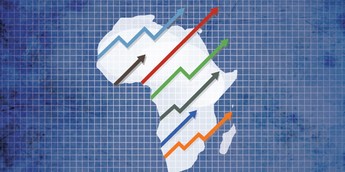
The South Africa economy is still recovering, but higher oil prices and weaker investment are holding growth to about 1% this year, according to the International Monetary Fund (IMF) and PwC.
What the IMF said
In its October World Economic Outlook, released on 13 October, the IMF kept its 2026 growth forecast for South Africa largely steady at 1%, against 1.1% predicted in July, BusinessDay reported. At the start of the year the Fund expected 1.4%, then cut that to 1% in April as the effects of the Middle East conflict set in. It said the outlook should stay stable in the near term and improve gradually over the medium term, supported by stronger policy frameworks and ongoing structural reforms.
The gap with the rest of the region is wide. The IMF raised its 2026 forecast for sub-Saharan Africa to 4.5% from 4.3% in July, which means South Africa is expected to grow more than four times slower than the regional average, according to Semafor. The Fund raised its projection for Nigeria to 4.2%.
Where the pressure is coming from
PwC’s mid-year review says growth has continued for six consecutive quarters, but weaker confidence and slowing investment show that momentum is easing. Tensions in the Middle East are pushing up oil and fuel prices and weakening the rand, creating a cost shock across the economy. Mining and construction are showing strength, consumer-facing industries are under pressure, financial services face mixed effects and manufacturing remains fragile. Fixed investment fell in the first quarter as businesses grew cautious in the face of higher borrowing costs.
A separate outlook from Germany Trade and Invest said inflation is expected to rise to about 4% in 2026, with energy and transport-heavy sectors such as agriculture, food processing and logistics the most exposed.
Why it matters
South Africa is the continent’s most industrialised economy, so slow growth there matters for neighbours and trading partners. The country had reasons for optimism earlier in the year. The rand traded below R16 to the dollar in January for the first time since 2022, and the Financial Action Task Force removed South Africa from its grey list in October 2025. National Treasury still projects growth reaching 2% by 2028 if reforms take hold, but the near-term picture is more constrained.
What to watch
Municipal elections are due in November 2026, and several major cities are run by coalitions, which adds a political test for investor confidence. Fuel prices, the next quarterly investment figures and any change in the central bank’s stance will show whether the slowdown deepens or the recovery steadies.
Related on Radarr:
- IMF Projects Nigeria’s Economy to Grow 4.3% in 2027 as Inflation Slows
- IMF Backs Nigeria’s Rate Cuts but Warns Inflation Fight Is Not Over
- South Africa to End Support for Imported Car Kit Assembly
Sources: BusinessDay; Semafor Africa; PwC South Africa Economic Outlook 2026; Germany Trade and Invest; New Zealand MFAT; IOL.
