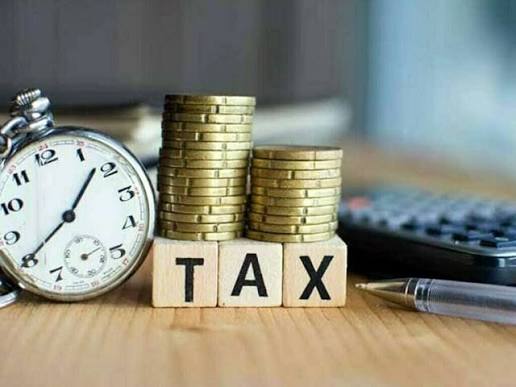
The Federal Government is considering an excess-profit tax on energy operators accused of taking undue advantage of consumers amid rising petrol prices.
Taiwo Oyedele, Minister of Finance and Coordinating Minister of the Economy, disclosed the proposal as part of measures to cushion households and businesses from the impact of higher fuel costs.
The proposed tax would target operators across the energy value chain found to be exploiting consumers. The government says revenue generated from the measure would be used exclusively to provide relief, including transport support and vouchers for vulnerable urban minimum-wage earners.
The proposal forms part of a broader government response to surging petrol prices driven by higher global oil costs and supply disruptions.
Other planned measures include a temporary petrol discount at Nigerian National Petroleum Company Limited (NNPC) retail stations, a proposed ceiling of ₦1,350 per litre on petrol landing or ex-gantry costs, increased cash transfers to vulnerable households and subsidised credit for small businesses and consumers.
Under the temporary discount arrangement, NNPC Retail agreed to forgo its petrol retail profit margin and sell fuel at cost for an initial 30 days, with priority given to commercial transport operators.
The government is also negotiating a mechanism under which refiners and importers would absorb temporary increases in fuel costs and recover them when market conditions improve. Officials say the arrangement is intended to reduce sharp price fluctuations rather than restore the former fuel subsidy.
Oyedele said the government would also work with state authorities to eliminate illegal road levies that increase transportation and logistics costs. In addition, it plans to accelerate the rollout of compressed natural gas (CNG) as a cheaper alternative for transport operators.
The government expects transporters to pass any savings from lower fuel costs on to passengers through reduced fares.
It is also considering additional tax relief for low-income earners under the 2027 Finance Bill and measures to reduce regulatory costs that contribute to higher prices.
The proposed excess-profit tax reflects the government’s attempt to protect consumers from sharp energy-price increases without reinstating a broad fuel subsidy. However, details of how excess profits would be identified, calculated and taxed have yet to be fully outlined.
