TUNIS, November 17 (Radarr Africa) – Tunisia’s economy grew 1.9 per cent year on year in the third quarter of 2026, slowing from 2.3 per cent in the second quarter, according to preliminary estimates from the National Institute of Statistics (INS) published on November 15.
The INS said gross domestic product fell 0.1 per cent from the previous quarter on a seasonally adjusted basis. Growth for the first nine months of the year stands at 2.2 per cent.
The third-quarter figure compares with 2.4 per cent in the same quarter of 2025. Annual growth has slowed steadily since the fourth quarter of 2025, when it was 2.7 per cent, and was 2.6 per cent in the first quarter of 2026.
Services were the main driver, expanding 2.8 per cent and adding 1.75 percentage points to growth. Hotels, cafes and restaurants grew 4.6 per cent, information and communication 3.4 per cent and transport 2.3 per cent. Agriculture grew 1.9 per cent.
Manufacturing rose only 0.8 per cent. Mechanical and electrical industries grew 5.5 per cent and agri-food 2.2 per cent, while the chemicals industry shrank 4.2 per cent.
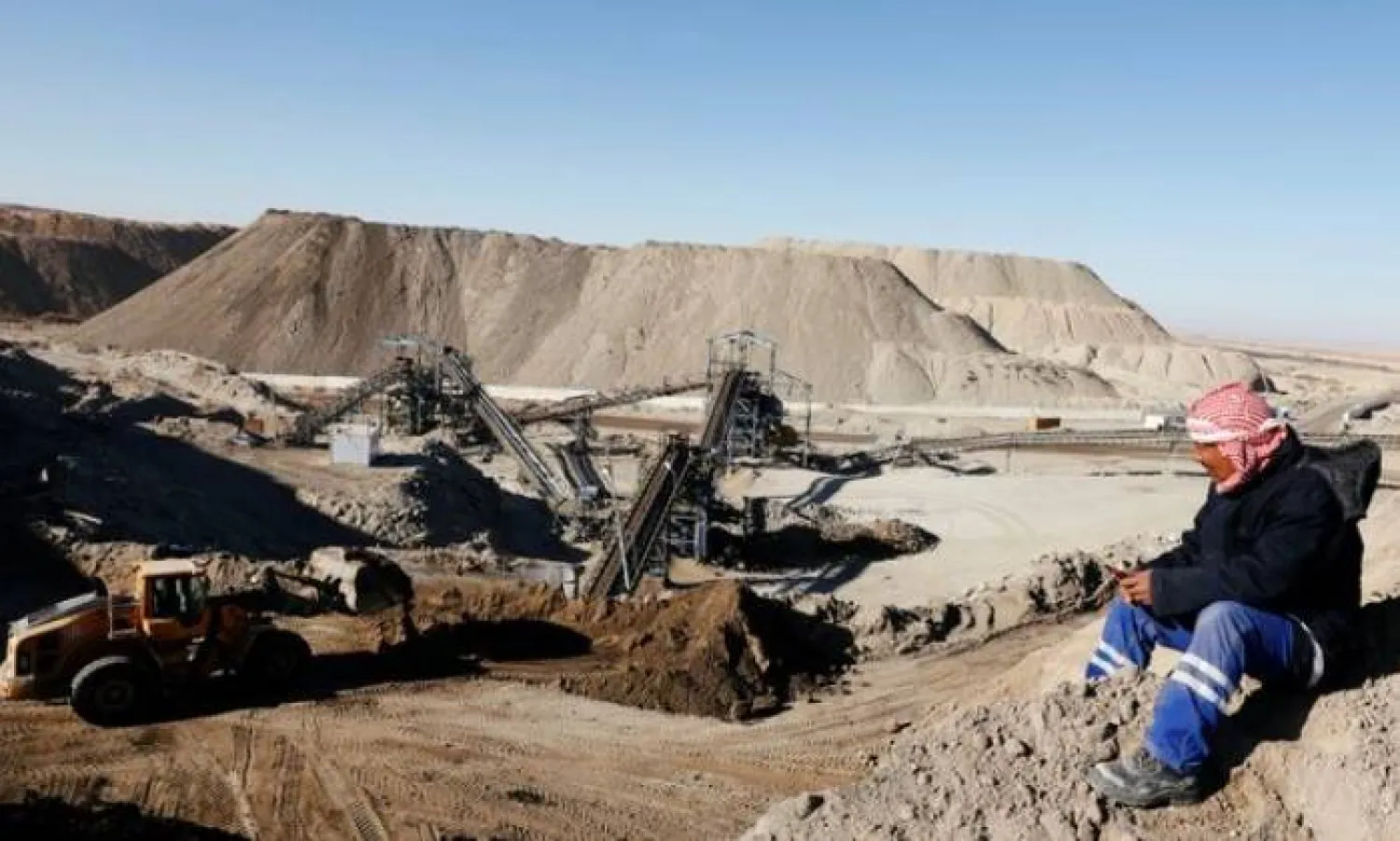
Mining activity fell 34.6 per cent, reflecting a drop in phosphate extraction. The energy, mining, water and waste group as a whole declined 0.5 per cent, and construction fell 3.7 per cent.
Domestic demand was close to flat. Household and government consumption together with investment rose only 0.1 per cent, according to the INS estimates. Growth relied instead on external trade, which contributed 1.77 percentage points as imports fell 2 per cent while exports rose 1.5 per cent.
On a quarterly basis, however, exports dropped 10 per cent and imports fell 7.1 per cent, the estimates show.
The World Bank estimates Tunisia’s public debt at 82.5 per cent of gross domestic product in 2025, down from 84.9 per cent in 2024. The state has leaned more on domestic resources, including foreign-currency borrowing from the Central Bank of Tunisia.
Separately, international investment in Tunisia reached 3,014.2 million dinars in the first nine months of 2026, up 14.4 per cent on a year earlier. Foreign direct investment accounted for 2,983.2 million dinars of the total. Manufacturing took 70.9 per cent of the capital and energy 20.6 per cent.
