By Radarr Africa Business Desk
LAGOS, November 4 (Radarr Africa) – Senegal’s National Assembly on Tuesday rejected a revised 2026 budget that the government needs to secure a new International Monetary Fund (IMF) programme, in a setback for Dakar’s efforts to stabilise its public finances.
Reuters, via CNBC Africa, reported that 109 of the Assembly’s 132 lawmakers voted against the bill, 20 supported it and 3 abstained. Reuters described the revised budget as crucial to Senegal sealing a new IMF support programme.
Dakar is seeking a three-year, $2.2 billion programme from the Fund, Africanews reported, citing AFP. The deadlock could derail hopes of an IMF board vote as early as next month, it said. Briefs Finance, a financial news service, reported that the authorities were targeting board approval as early as November.
The revision was meant to cover a projected revenue shortfall of 340 billion CFA francs, or about $580 million, Briefs Finance reported. It was also intended to pay subsidies, clear arrears owed to businesses and meet conditions tied to the IMF programme, the service said.
Briefs Finance described the plenary rejection as a first for the chamber and said the finance committee had already declined to advance the proposals twice. Africanews reported that parliament had sent the bill back to the committee a week earlier.
Finance Minister Cheikh Diba said the matter now returns to the president and the prime minister, Briefs Finance reported. He criticised lawmakers for showing no interest in debating the text. The ministry said revenue and spending projections had shifted materially, and that borrowing costs in the region had risen while market access remained limited.
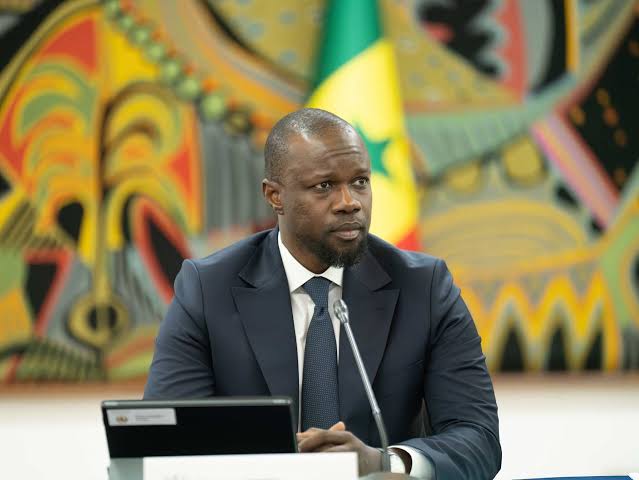
The ruling Pastef party opposed the bill. Reuters said Assembly President Ousmane Sonko, who leads Pastef, said last month that its lawmakers would not back it, and that the finance committee had rejected it.
Pastef argues that the adjustment leans too heavily on households and on sectors it does not regard as priorities, according to Briefs Finance. It also says the government withheld information needed to assess the debt outlook. The Finance Ministry says it gave detailed written replies and that deputies offered no amendments or alternative plans, the service reported.
Without a revision, the 2026 spending plan still governs, so the government lacks the extra funds it had set aside for energy subsidies and related costs, Briefs Finance said. The ministry warned that the uncertainty could hinder financing efforts, strain state cash flows and potentially affect priority spending.
The vote also exposes a political rift at the top of government. Africanews said Sonko, who is also speaker of the Assembly, is in what it called a dramatic political feud with President Bassirou Diomaye Faye. A photo caption in its report said Sonko was elected Assembly president after Faye dismissed him as prime minister in May 2026.
The IMF says Senegal’s debt reached 132 per cent of gross domestic product at the end of 2024, Africanews reported, after the discovery of billions of dollars in misreported borrowing by the previous administration. Briefs Finance said an earlier IMF programme was halted after the hidden debt came to light in 2024.
IMF approval depends on credible fiscal adjustments and financing assurances from official creditors, according to Briefs Finance.
Africanews also cited high youth unemployment, a cost-of-living crisis and a recent three-day general strike as part of the backdrop to the dispute.
