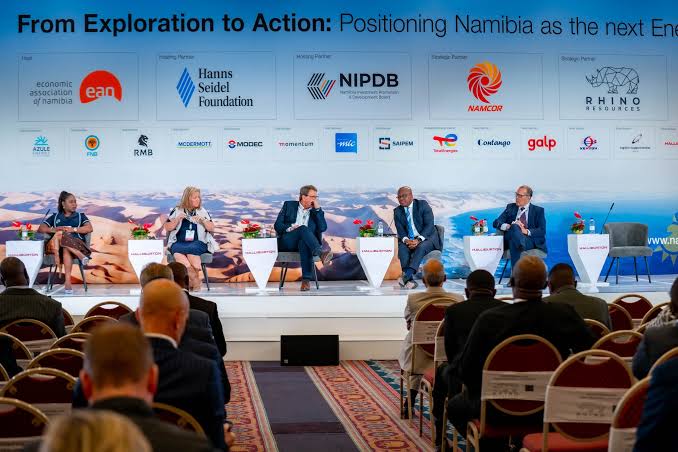
The Africa energy summit in Windhoek, the International African Energy, Oil and Gas Summit (IAEOGS 2026), runs from 20 to 24 October, as Africa’s upstream oil and gas spending is forecast to reach about $41 billion this year.
What happened
Namibia is hosting the five-day gathering, with the Namibia University of Science and Technology as co-host. Organisers say the aim is to produce a roadmap to close the investment gap in African power and gas infrastructure, and to push for about $5 billion in funding for an African energy bank. They also estimate that Africa loses about $130 billion in GDP every year because of unreliable power grids and fragmented logistics. Those figures come from the organisers’ own announcement and have not been independently verified.
Strategic partners include Nigeria’s Crude Oil Refinery-Owners Association (CORAN). The agenda includes using the African Continental Free Trade Area to improve the stability of energy, oil, gas and LNG supply between established producers such as Nigeria and emerging frontiers such as Namibia.
Why it matters
Namibia is one of the continent’s newest oil and gas frontiers. It is on track for first oil by 2029 on the back of the Venus and Mopane discoveries, according to African Energy Week organisers. Moore Global puts Africa’s upstream capital spending at $41 billion in 2026, up from $40 billion in 2025, with offshore spending at about $19 billion and rising towards $54 billion by 2030. Nigeria and Angola remain the top destinations, and Africa is expected to account for around 40% of high-impact exploration wells drilled globally this year.
The International Energy Agency (IEA) paints a wider picture. It projects total energy investment in Africa at $110 billion in 2026, only 3.3% of the global total, and says capital is increasingly flowing towards emerging producers including Mozambique, Namibia, Senegal and Uganda. Upstream investment in sub-Saharan Africa is expected to rebound by 12% to almost $24 billion in 2026 after an 18% decline in 2025.
The Windhoek summit follows African Energy Week in Cape Town, held from 12 to 16 October, which billed itself as the continent’s premier energy dealmaking event.
What to watch
Look for investment announcements and partnership deals coming out of Windhoek, and for any firm commitments behind the proposed African energy bank. A final investment decision on TotalEnergies’ Venus project, which could be taken in 2026, would be the clearest sign that Namibia’s oil ambitions are moving from discovery to production.
Related on Radarr:
- Nigeria Expects Higher Oil Output From New Oil Blocks
- Nigeria Lacks Enough Crude to Sustain Fuel Subsidy, Says Oyedele
- Tinubu Rules Out Petrol Subsidy Return, Backs Reforms
Sources: CAPMAD; Zawya (organisers’ press release); Moore Global; Arise News, citing the IEA World Energy Investment 2026 report; African Energy Week.
